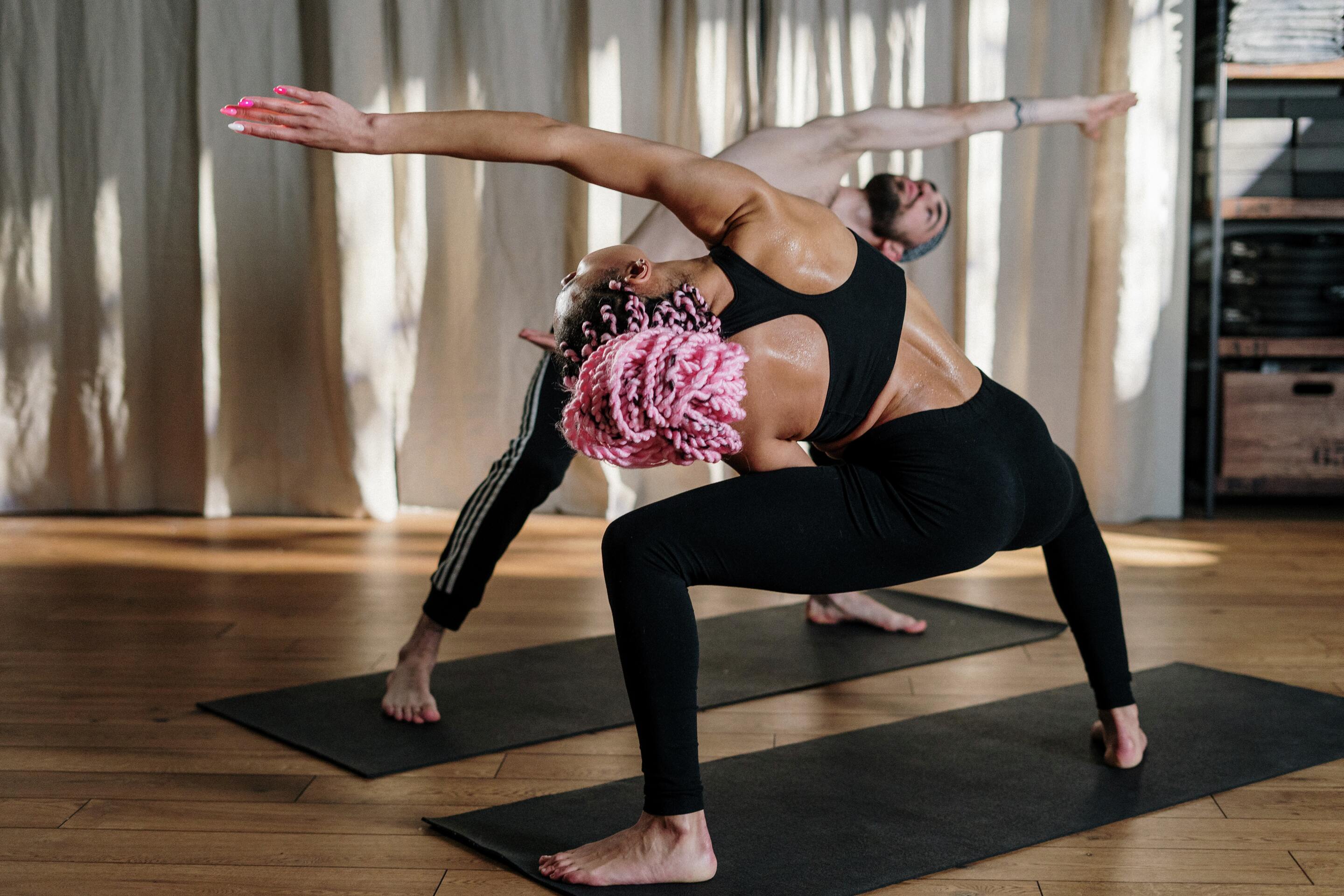


Increased sweating during your period, often referred to as 'sweating during period,' is a common response to hormonal fluctuations. Changes in estrogen and progesterone can affect your body's thermoregulation, leading to a slight rise in body temperature and subsequent sweat production as your body works to cool itself down.
Understanding Hormonal Influences on Your Sweat
The human body undergoes remarkable transformations, from the monthly cycle to the journey of pregnancy and beyond. These significant hormonal shifts can often bring unexpected changes, including how your body regulates temperature and produces sweat. Understanding these natural fluctuations can empower you to manage them effectively and confidently.
Key Insights into Hormonal Sweating
- Hormonal Fluctuations: Your body's natural hormonal cycles, including menstruation, pregnancy, and menopause, significantly impact sweat production and body temperature regulation.
- Period-Related Sweating: Many experience increased sweating during their period due to hormonal shifts that affect body temperature, often leading to "sweating during period" or "night sweats period."
- Pregnancy and Postpartum: Elevated blood supply and changing hormones during pregnancy can lead to more noticeable sweating, including "sweating during pregnancy" and postpartum night sweats.
- Menopause Hot Flashes: Perimenopause and menopause often bring intense hot flashes and "hormonal sweating," which can be managed with effective antiperspirant use.
- Effective Management: Utilizing advanced antiperspirants like Sure can provide reliable protection against sweat and odor, helping you feel confident through every hormonal phase.
Navigating Hormonal Sweat with Confidence
Hormonal changes are a natural part of life, and understanding their impact on your body's sweat patterns is the first step towards effective management. By recognizing how your body responds during different phases, from your period to postpartum and menopause, you can proactively address "hormonal sweating." Embrace these changes with confidence, knowing that effective solutions are available to help you stay fresh and comfortable every day. Explore Sure's range of antiperspirants to find your ideal protection.
Frequently Asked Questions About Hormonal Sweating
Yes, 'night sweats period' can be a normal experience for many individuals. Hormonal shifts before or during your period can cause your body temperature to fluctuate even while you sleep, leading to increased sweating at night. This is often part of the broader experience of premenstrual symptoms.
During pregnancy, increased blood volume and significant hormonal changes, particularly in estrogen and progesterone, can lead to heightened body temperature and more noticeable 'sweating during pregnancy.' Your body is working harder to support the pregnancy and regulate its temperature, making increased sweat a common symptom.
Hot flashes and 'hormonal sweating' during perimenopause and menopause are primarily caused by fluctuating estrogen levels. These hormonal shifts can disrupt the hypothalamus, the part of the brain that controls body temperature, leading to sudden sensations of heat and subsequent sweating as the body attempts to cool down.
Managing 'hormonal sweating' involves a combination of strategies. Using a reliable antiperspirant, wearing breathable clothing, staying hydrated, and identifying personal triggers like spicy foods or caffeine can help. For persistent concerns, consulting a healthcare professional is always recommended.
Yes, antiperspirants are generally considered safe for use during pregnancy and breastfeeding. They work topically to reduce sweat and are not absorbed into the bloodstream in significant amounts. If you have any specific concerns, it's always best to discuss them with your doctor.