


Certain substances can exacerbate stress sweating. Spicy foods, nicotine, alcohol, and caffeine are known culprits that can increase your adrenaline levels and body temperature, leading to more noticeable sweating. Being mindful of these triggers can help you manage your body's response.
Mastering Anxiety and Stress Sweating: Effective Strategies for Confidence
Facing a first date, a crucial job interview, or a significant presentation can trigger a wave of nerves. Just when you aim to project composure and confidence, the unwelcome signs of anxiety sweating—a damp face, clammy hands, or wet armpits—can appear.
This phenomenon, often referred to as stress sweating or nervous sweating, tends to manifest at the most inconvenient moments, making you feel less in control. Understanding and managing this natural response is key to maintaining your confidence and comfort.
Key Takeaways for Managing Stress Sweating
- Understand the Causes: Stress sweating is triggered by both apocrine and eccrine glands, often intensified by adrenaline.
- Identify Triggers: Certain foods, drinks, and situations can exacerbate nervous sweating.
- Effective Management: Simple lifestyle adjustments and product choices can significantly reduce anxiety-induced sweating.
- Boost Confidence: Practical tips can help you feel more composed and confident in stressful situations.
- Stay Prepared: Having the right tools and strategies can make a big difference in managing unexpected sweat.
Does Stress Sweat Have a Stronger Odour?
When considering the odour of sweat, it's important to differentiate between the types of sweat produced. Eccrine sweat, primarily composed of salt and water, typically has very little odour.
However, apocrine sweat, which is released during stress, contains more nutrients. These nutrients make it a more appealing environment for the bacteria naturally present on our skin, which feed on the sweat. This bacterial activity is what can cause stress sweat to have a more noticeable and sometimes stronger odour compared to regular sweat.

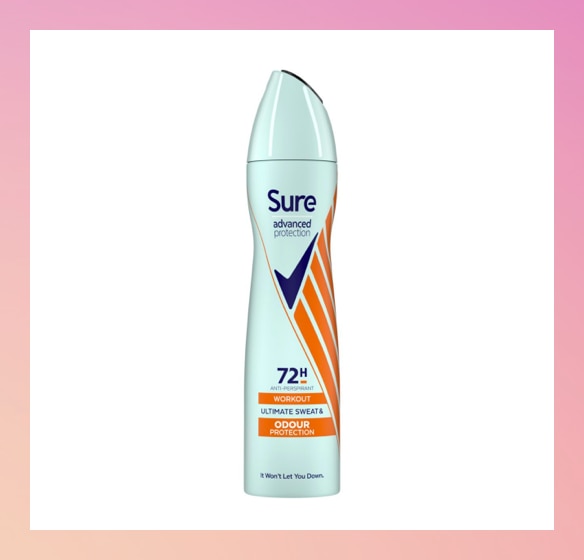
Is Stress Sweating Impacting Your Daily Life?
Experiencing stress sweating can certainly be a source of embarrassment, sometimes leading individuals to avoid social or professional situations. However, it's empowering to know that effective strategies exist to help you manage and reduce its impact.
Cultivating calmness when anticipating stressful situations is a powerful first step. Many find techniques like deep breathing exercises, listening to calming music, or taking a refreshing walk outdoors to be beneficial. Experiment to discover what methods work best for you in managing nervous sweating.
Practical Steps to Manage Stress Sweating
Embrace Confidence: Overcoming Stress Sweating
Managing anxiety and stress sweating is an achievable goal that can significantly enhance your daily comfort and confidence. By understanding its causes, identifying personal triggers, and implementing practical strategies—from choosing the right antiperspirant to adopting calming techniques—you can effectively reduce its impact.
Empower yourself with these insights and take proactive steps to stay fresh, dry, and composed, no matter what challenges come your way. Your journey to greater confidence starts now.
Frequently Asked Questions About Stress Sweating
Stress triggers your body's 'fight or flight' response, releasing adrenaline. This hormone stimulates both apocrine and eccrine sweat glands, leading to increased sweat production, particularly in areas like your armpits, hands, and feet.
Yes, stress sweat often has a stronger odour. This is because it primarily comes from apocrine glands, which produce sweat rich in proteins and fats. Bacteria on your skin break down these compounds, creating a more pungent smell compared to eccrine sweat, which is mostly water and salt.
Absolutely. Stimulants like caffeine and nicotine, as well as spicy foods and alcohol, can increase your heart rate and body temperature, thereby intensifying your body's sweating response when you're feeling stressed or anxious.
An antiperspirant actively reduces sweat production by temporarily blocking sweat glands, making it effective for managing stress sweating. A deodorant, on the other hand, primarily masks body odour without stopping the sweat itself. For stress sweat, an antiperspirant is generally more effective.
Yes, incorporating stress-reducing techniques like deep breathing, meditation, yoga, or regular exercise can help manage anxiety and, consequently, reduce stress sweating. Staying hydrated and wearing breathable clothing also contribute to natural sweat management.