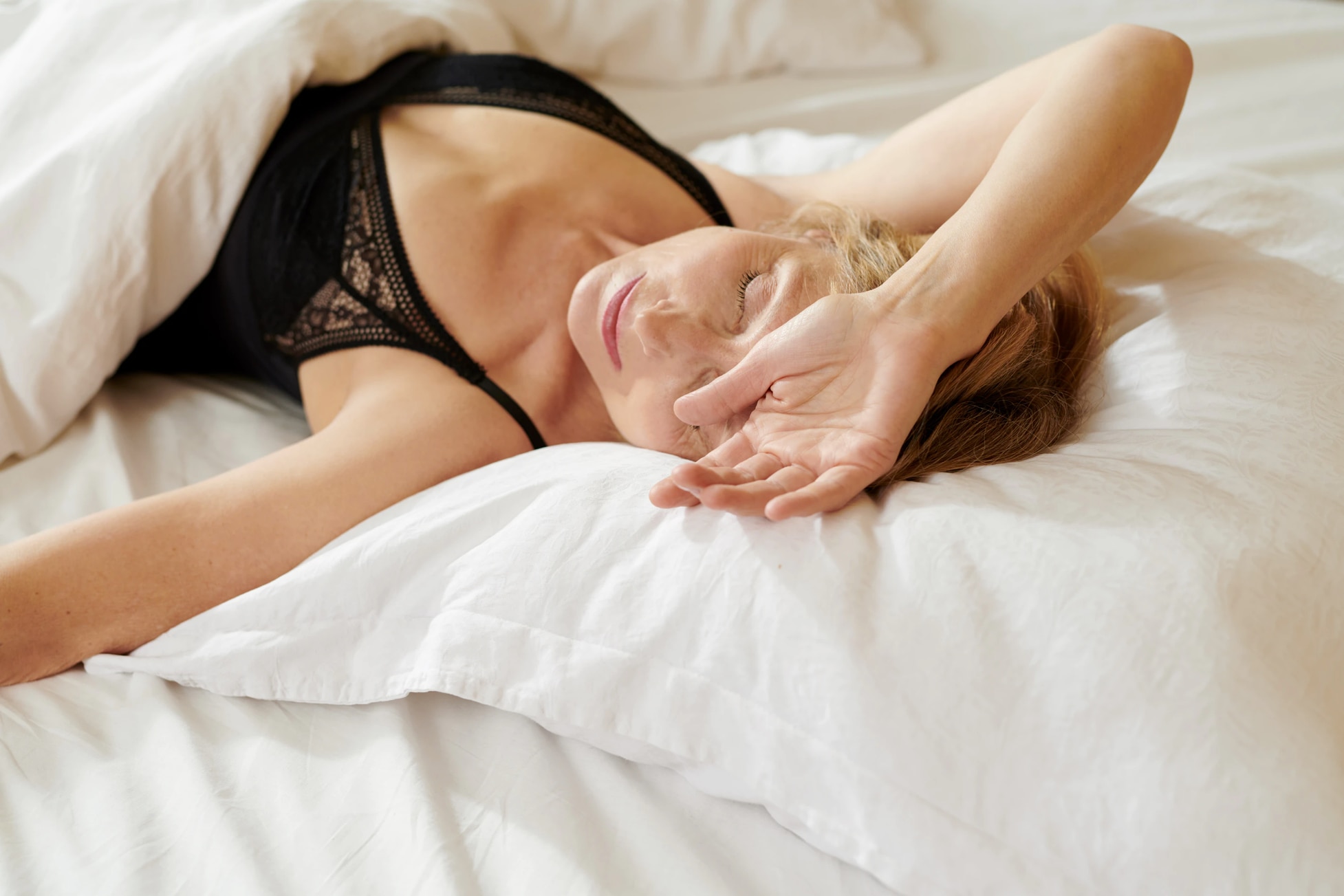

Washing or showering regularly, even more than once a day, can help you feel fresher and more comfortable, especially when experiencing increased perspiration.
Understanding Hot Flashes and Sweating During Menopause
Menopause often brings significant changes, and among the most commonly discussed are hot flashes and increased sweating. These sudden surges in body temperature, alongside cold sweats, night sweats, and general excessive sweating, are a natural part of the menopause transition.
For many women, these symptoms can range from mild to impactful, sometimes lasting for several years. Understanding these changes and how to manage them can significantly improve daily comfort and confidence during this phase of life.
Key Takeaways for Managing Menopause Sweating
- Menopause Sweating is Common: Hot flashes, night sweats, and general perspiration are frequent symptoms during menopause and perimenopause.
- Hormonal Changes are Key: Fluctuating estrogen levels impact the body's temperature regulation, leading to these experiences.
- Practical Strategies Help: Simple lifestyle adjustments, from clothing choices to hydration, can significantly reduce discomfort.
- Antiperspirants Offer Support: Using an effective antiperspirant daily can help manage excessive sweating and body odour.
- Seek Medical Advice: If symptoms are severe or concerning, consulting a doctor can provide personalized guidance and solutions.
A single hot flash can last from 30 seconds to 30 minutes, impacting daily comfort.


Effective Strategies to Reduce Sweating During Menopause
Embrace Comfort and Confidence Through Menopause
Navigating the changes that come with menopause, including hot flashes and night sweats, is a journey many women experience. By understanding the underlying causes and implementing practical strategies, you can significantly enhance your comfort and maintain confidence.
From choosing the right antiperspirant to making simple lifestyle adjustments, empowering yourself with knowledge and effective solutions can help you manage menopause sweating and embrace this new phase with ease.
Frequently Asked Questions About Menopause Sweating
Increased sweating, including hot flashes and night sweats, during menopause is primarily caused by fluctuating estrogen levels. These hormonal changes affect the hypothalamus, the part of the brain responsible for regulating body temperature, leading to a misinterpretation of body heat and triggering a cooling response.
The duration of hot flashes and night sweats can vary significantly among women. While some may experience them for only a few months, for others, these symptoms can persist for several years, sometimes even into post-menopause. The intensity and frequency can also change over time.
Yes, many lifestyle adjustments can be very effective in managing menopause sweating. These include wearing breathable clothing, staying hydrated, avoiding known triggers like spicy foods or caffeine, maintaining a healthy weight, and ensuring your sleep environment is cool. Regular exercise can also contribute to overall well-being.
While there isn't one specific product for all, using a strong, effective antiperspirant designed for long-lasting protection can be beneficial. Look for products that offer advanced sweat and odour control to help you stay dry and fresh throughout the day and night, especially during hot flashes or night sweats.
It's recommended to consult your doctor if your menopause sweating, hot flashes, or night sweats are severe, significantly disrupting your daily life, or if you have any concerns about your symptoms. A healthcare professional can provide a proper diagnosis, discuss various management options, and rule out other potential causes.